
Key Factors to Consider for Area Infrastructure Lighting in California
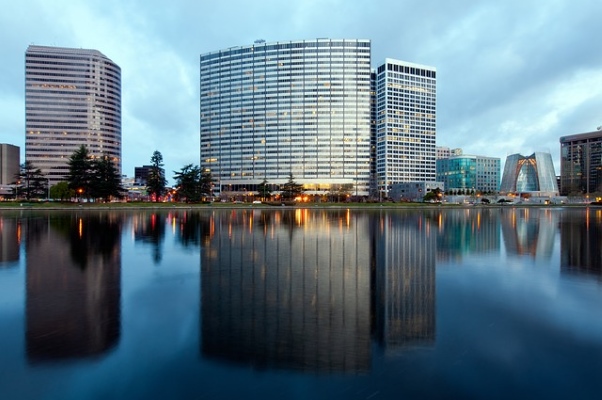
Architectural Area Lighting Infrastructure
Area infrastructure lighting plays a critical role in safety, efficiency, and visual appeal across California’s public and commercial spaces. From parking lots and roadways to campuses, industrial sites, and mixed-use developments, the right lighting strategy supports visibility, security, and long-term sustainability. With California’s strict energy regulations and growing emphasis on renewable solutions, planning effective area lighting requires careful consideration of several key factors.
1. Compliance With California Lighting Regulations
California has some of the most stringent energy and environmental standards in the country. Title 24 energy codes and local municipal requirements directly impact area lighting design, fixture selection, and controls. When planning architectural area lighting, it’s essential to ensure luminaires meet efficiency standards, include appropriate shielding to reduce light trespass, and support smart controls such as dimming or motion sensors. Compliance not only avoids costly redesigns but also improves long-term operating efficiency.
2. Site Layout and Intended Use
Every site has unique lighting needs. The size of the area, pedestrian traffic, vehicle flow, and operational hours all influence lighting design. Parking facilities may require wide, uniform illumination, while pathways and plazas benefit from layered architectural area lighting that enhances wayfinding and aesthetics. Understanding how the space will be used helps determine pole heights, spacing, beam distribution, and lumen output for optimal performance.
3. Safety and Security Considerations
Effective area lighting significantly improves safety and security. Well-lit environments deter crime, reduce trip hazards, and enhance visibility for drivers and pedestrians alike. In commercial and municipal settings, architectural area lighting can be strategically designed to eliminate dark spots while maintaining visual comfort. Integrating lighting with security systems, such as cameras or access controls, further strengthens site protection.
4. Sustainability and Energy Efficiency
Sustainability is a top priority for California infrastructure projects. LED technology is now the standard for area lighting due to its long lifespan, low energy consumption, and reduced maintenance requirements. Additionally, California solar site lighting has become an increasingly popular solution for remote locations, parking areas, and pathways. Solar-powered lighting reduces dependence on the grid, lowers operating costs, and supports California’s clean energy goals—making it an ideal option for environmentally conscious developments.
5. Architectural Integration and Visual Appeal
Beyond function, lighting contributes to the overall identity of a space. Architectural area lighting can highlight building features, landscaping, and public art while reinforcing brand or community aesthetics. Fixture design, color temperature, and light placement should complement surrounding architecture without overpowering it. Thoughtful lighting design enhances curb appeal and creates inviting environments for users.
6. Maintenance and Long-Term Costs
Upfront costs are only part of the equation. Selecting durable fixtures designed for California’s diverse climates—from coastal fog to inland heat—helps minimize maintenance and replacement expenses. For California solar site lighting, battery quality, panel efficiency, and warranty coverage are especially important factors that affect long-term reliability.
California Solar Site Lighting
Designing effective area infrastructure lighting in California requires balancing compliance, safety, sustainability, and aesthetics. By carefully considering site needs, energy regulations, and emerging solutions like California solar site lighting, property owners and planners can create efficient, visually appealing spaces that stand the test of time. Strategic architectural area lighting not only improves functionality but also enhances the overall experience for everyone who uses the space. Contact GBL Infrastructure here to see how our featured products can impact your lighting project!