

How Photometric Simulations Improve Lighting Infrastructure Projects
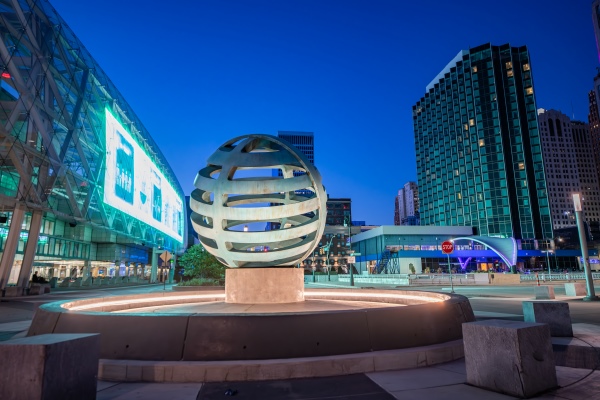
Photometric Simulations For Architectural Site Lighting
When planning a successful lighting infrastructure project, visibility, efficiency, and aesthetics all matter. Whether designing California solar outdoor lighting for a municipal roadway or installing decorative site lighting for a commercial development, one critical step often determines the project’s long-term success: the photometric simulation.
Photometric simulations help engineers, developers, and municipalities visualize exactly how light will perform before installation begins. By using advanced software and lighting calculations, project teams can ensure safety, energy efficiency, and compliance while avoiding costly design mistakes.
What Is a Photometric Simulation?
A photometric simulation is a digital lighting analysis that predicts how light fixtures will illuminate a space. Using specialized software, lighting designers create a virtual model of the project area and simulate how lighting levels will appear once installed.
The simulation calculates important factors such as:
- Light distribution
- Brightness levels
- Uniformity
- Glare control
- Pole placement
- Fixture performance
- Energy efficiency
This process is commonly used for parking lots, roadways, campuses, public parks, industrial facilities, and architectural site lighting projects. In simple terms, photometric simulations answer a common question property owners ask: “What will the lighting actually look like before we build it?”
How Does a Photometric Simulation Work?
The process begins with collecting detailed project information, including site dimensions, elevation changes, pole locations, and fixture specifications. Lighting engineers then input this data into photometric software to generate a highly accurate lighting model.
The simulation evaluates how light travels across the environment and identifies areas that may experience:
- Poor visibility
- Uneven illumination
- Excessive brightness
- Energy waste
- Safety concerns
For example, a California solar outdoor lighting project may require precise calculations to maximize solar energy efficiency while maintaining adequate nighttime visibility. A simulation helps determine the optimal fixture placement and lumen output to achieve both goals.
The final report typically includes visual renderings, foot-candle measurements, and compliance data that guide the installation process.
Why Are Photometric Simulations Important?
Photometric simulations are essential because lighting performance impacts far more than appearance. Proper lighting improves public safety, reduces liability risks, and enhances energy efficiency.
Some of the biggest benefits include:
Improved Safety
Well-designed lighting minimizes dark spots and improves visibility for drivers, pedestrians, and security personnel. This is especially important for roadway and commercial infrastructure projects.
Energy Savings
Simulations help eliminate over-lighting, reducing unnecessary energy consumption and lowering operating costs.
Better Design Accuracy
Before installation begins, project stakeholders can visualize how decorative site lighting or architectural site lighting elements will appear in real-world conditions.
Code Compliance
Many municipalities and commercial developments require lighting plans to meet specific local and state regulations. Photometric analysis helps ensure compliance from the beginning.
Frequently Asked Questions About Photometric Simulations
Do photometric simulations only apply to large projects?
No. While commonly used for municipal and commercial developments, simulations are valuable for projects of all sizes, including smaller parking lots, campuses, and private developments.
Can photometric simulations help with solar lighting systems?
Absolutely. California solar outdoor lighting projects often rely on photometric analysis to optimize solar fixture performance, battery storage efficiency, and illumination coverage.
Are photometric simulations important for aesthetics?
Yes. In architectural site lighting and decorative site lighting projects, simulations help designers create visually appealing environments while maintaining proper functionality and safety.
The Future of Decorative Site Lighting
As lighting technology continues to evolve, photometric simulations are becoming an increasingly important part of infrastructure planning. From smart city initiatives to sustainable solar roadway systems, accurate lighting analysis helps projects achieve better performance, lower costs, and improved visual appeal. At GBL Infrastructure Solutions, photometric simulations play a critical role in delivering efficient, code-compliant, and visually effective lighting infrastructure solutions throughout California and beyond. For more information on how you can benefit, contact GBL today!